Investigate with clarity
Build a clearer picture of what has happened, establish the scope of the incident and gather the information needed to support informed decisions.
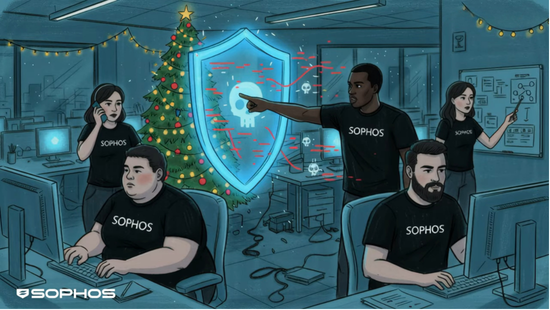
The Breach that Stole Christmas
Six minutes. One fictional cyber incident. Some very real decisions to make.
Watch The Breach that Stole Christmas to see what happens when signs of a breach appear at the worst possible time, and why preparation, clear responsibilities and access to the right expertise matter when an incident unfolds.
A cyber incident can quickly become more than a security problem. Decisions need to be made, affected systems investigated and contained, and the right people brought into the response.
When that happens outside normal working hours, those decisions can become harder. Having clear responsibilities, escalation routes and access to specialist expertise gives your team a stronger starting point.
So, if the first alert arrived tonight, would everyone know what happens next?
You can’t predict exactly when or how a cyber incident will happen. You can make sure your organisation isn’t starting from scratch when it does.
A prepared response gives people clarity about who takes the lead, what needs to happen first and when additional expertise should be brought in. When time matters, those decisions are easier to make if responsibilities and escalation routes have already been agreed.
When an incident is identified, people need to know who is responsible for coordinating the response and who has the authority to make time-sensitive decisions.
That includes knowing how to reach key people when usual working arrangements don’t apply. Clear ownership helps teams act with purpose, instead of spending valuable time establishing who should do what.


Responding effectively means building a clear picture of what’s happening while bringing the right people into the conversation.
Technical teams may need to investigate affected systems and preserve evidence, while leadership, legal, communications and other teams may need to become involved as the situation develops. The aim is a coordinated response, where the right information reaches the people making the decisions that matter.
Does your response plan explain who needs to be involved, and when?
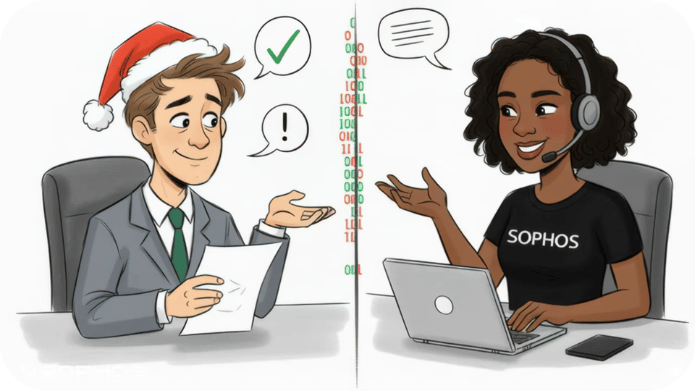
Your internal team doesn't need to handle every part of an incident alone. An active cyber incident can require skills and resources that aren't needed every day, from digital forensics and threat hunting to determining the root cause and containing the threat.
Knowing when and how to bring in additional expertise should therefore be part of the response plan, not a decision left until an incident is already underway.
If your internal team needed additional support tonight, would they know where to turn?

You can’t account for every possible scenario. But you can remove unnecessary uncertainty.
Before teams begin taking time away over Christmas, ask:
☐ Reporting
Do employees know how to report suspicious activity, particularly outside normal working hours?
☐ Ownership
Is it clear who leads the response, including who takes responsibility if key people are unavailable?
☐ Decision-making
Do the right people have the authority to make urgent containment and response decisions?
☐ Escalation
Are escalation routes documented, accessible and understood by the people who may need them?
☐ Communication
Is it clear when leadership, legal, communications and other relevant teams need
to become involved?
☐ External support
Does your team know when specialist incident response expertise may be needed and
how to access it?
☐ Testing
Has your response plan been tested, rather than simply documented?
Taking time to review responsibilities, escalation routes and access to specialist support before the festive break can give your
organisation a clearer starting point if an incident occurs when fewer people are available.
A clear plan is an important part of incident readiness, but your internal team doesn’t have to manage every aspect of a serious cyber incident alone. When specialist skills or additional capacity are needed, having the right support already identified can help your team move from investigation to response with greater clarity.
Through our partnership with Sophos, Trustmarque Ultima helps organisations access specialist expertise for preparing for and responding to cyber incidents.
Sophos Digital Forensics and Incident Response (DFIR) services provide 24/7 support for active cyberattacks, helping organisations investigate and neutralise active threats. Its capabilities include digital forensics, threat hunting, compromise assessments and root-cause investigation, alongside assistance with ransom negotiations where required.
For organisations looking to prepare before an incident occurs, Sophos also provides security retainer services designed to give organisations access to expertise across readiness and response

Strategic Partnership
At Trustmarque Ultima, we help UK organisations get the most out of the full Sophos portfolio – with hands-on onboarding, round-the-clock threat response, and expert support whenever it’s needed. Together, we’re making cybersecurity smarter, stronger, and more collaborative.
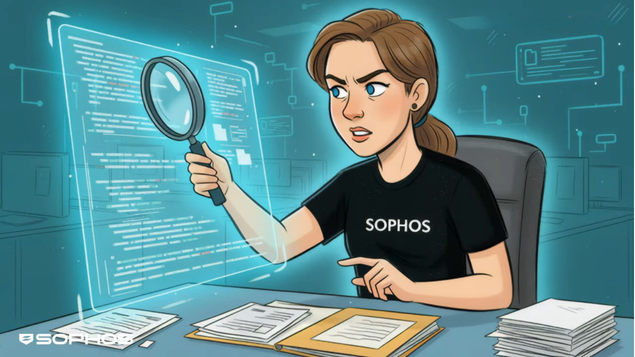
Build a clearer picture of what has happened, establish the scope of the incident and gather the information needed to support informed decisions.
Bring specialist expertise into the response to help identify and neutralise active threats and support your internal team through the incident.

Understand the root cause and lessons from an incident, helping your organisation improve its readiness for what comes next.